Exteriors · 7 min read
Choosing Siding for a Chicago-Area Home
Freeze-thaw cycling is what actually tests siding here. What each material does across a Chicago winter, and why what goes behind it matters as much.
Published · 11 North Inc
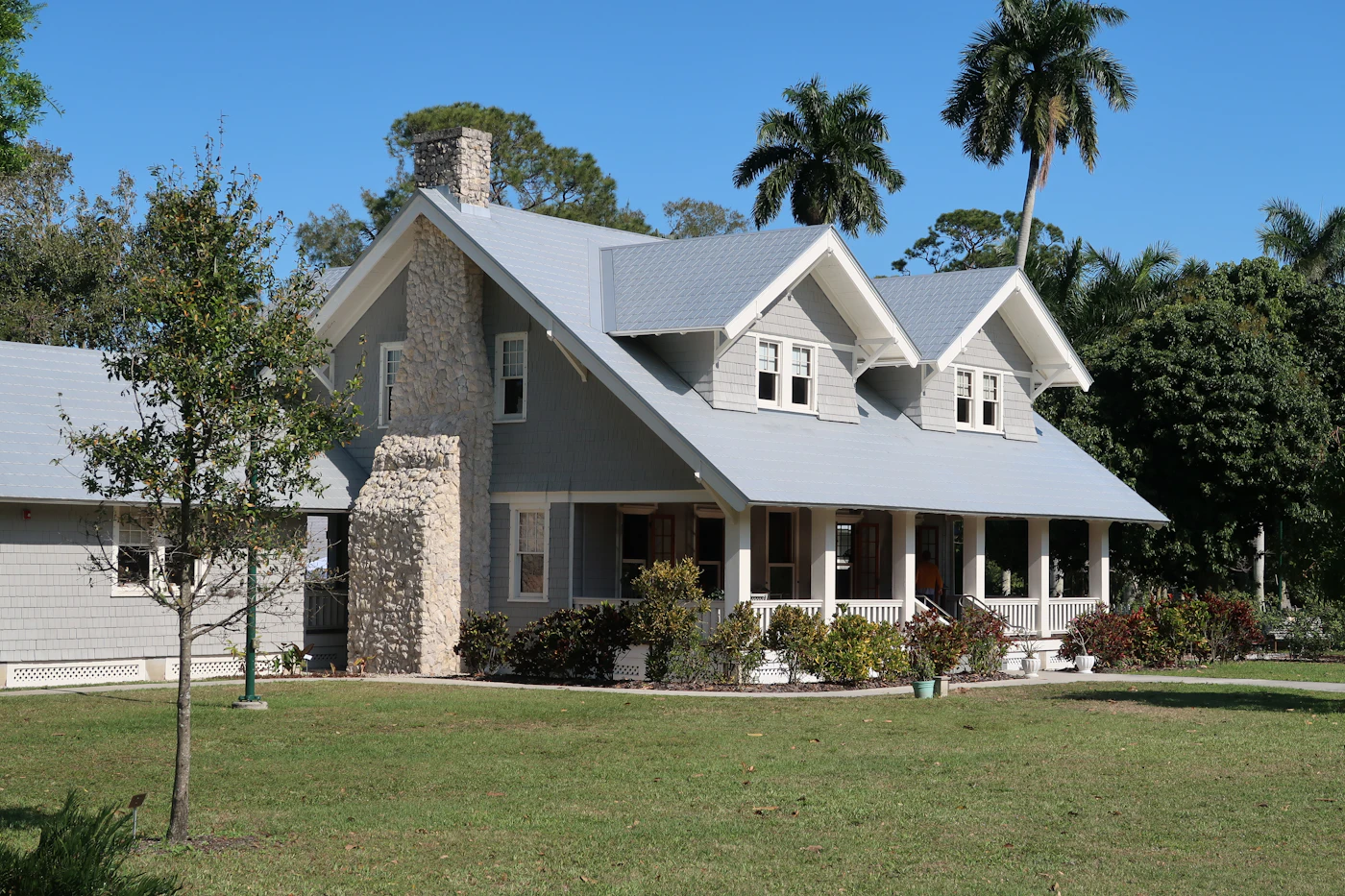
Siding is judged on how it looks and tested by the weather. In this climate the test is freeze-thaw cycling - repeated freezing and thawing that finds any material or installation that lets water sit where it should not.
Vinyl
Still the most common choice, and better than its reputation from thirty years ago. It never needs painting, it is the least expensive option installed, and modern profiles with insulated backing perform considerably better than older ones. The trade-offs are real though. Vinyl becomes brittle in deep cold, which is when impact damage happens - a stone from a snowblower does more harm in February than in July. It also expands and contracts significantly with temperature, which is why it must be hung rather than nailed tight; installed too rigidly it buckles in summer heat. That is an installation failure rather than a material one, and it is common.
Fiber cement
Fiber cement handles freeze-thaw better than almost anything else, because it does not absorb water the way wood does and does not become brittle the way vinyl does. It holds paint well, it is non-combustible, and it looks convincingly like painted wood from the street. It costs more to buy and more to install, because it is heavy and cutting it properly requires the right equipment and dust control. It also needs repainting eventually, though on a long cycle. For a house that is staying in the family, it is frequently the best value across twenty years even though it is not the cheapest on day one.
Engineered wood
A middle option: wood fibres bonded with resins into boards that look like real wood and cost less than fiber cement while being far lighter to install. It performs well provided the cut ends and edges are sealed properly during installation, which is exactly where water gets in if it is rushed. That makes engineered wood more installation-sensitive than vinyl and less forgiving of a fast job.
Cedar and natural wood
Nothing else looks like it, and on the right house - particularly older North Shore properties where it suits the architecture - it is worth the commitment. It is a commitment though. Cedar needs staining or painting on a cycle, and skipping that in this climate is how you end up replacing boards. If nobody in the household is going to keep up with it, one of the materials above that mimics wood is the honest recommendation.
What goes behind it matters as much
Siding is a rain screen, not a seal. Water gets behind it - that is expected - and what determines whether that causes a problem is the weather-resistive barrier underneath, how it is lapped, and how flashing is detailed at windows, doors and penetrations. Almost every siding failure we are called to look at is a flashing or barrier failure rather than a siding failure. When you compare quotes, ask what is going behind the siding and how the window and door openings are being flashed. A quote that only talks about the visible material has not described most of the job. Our siding page covers what we install, and replacing windows covers the openings, which are usually done together.